
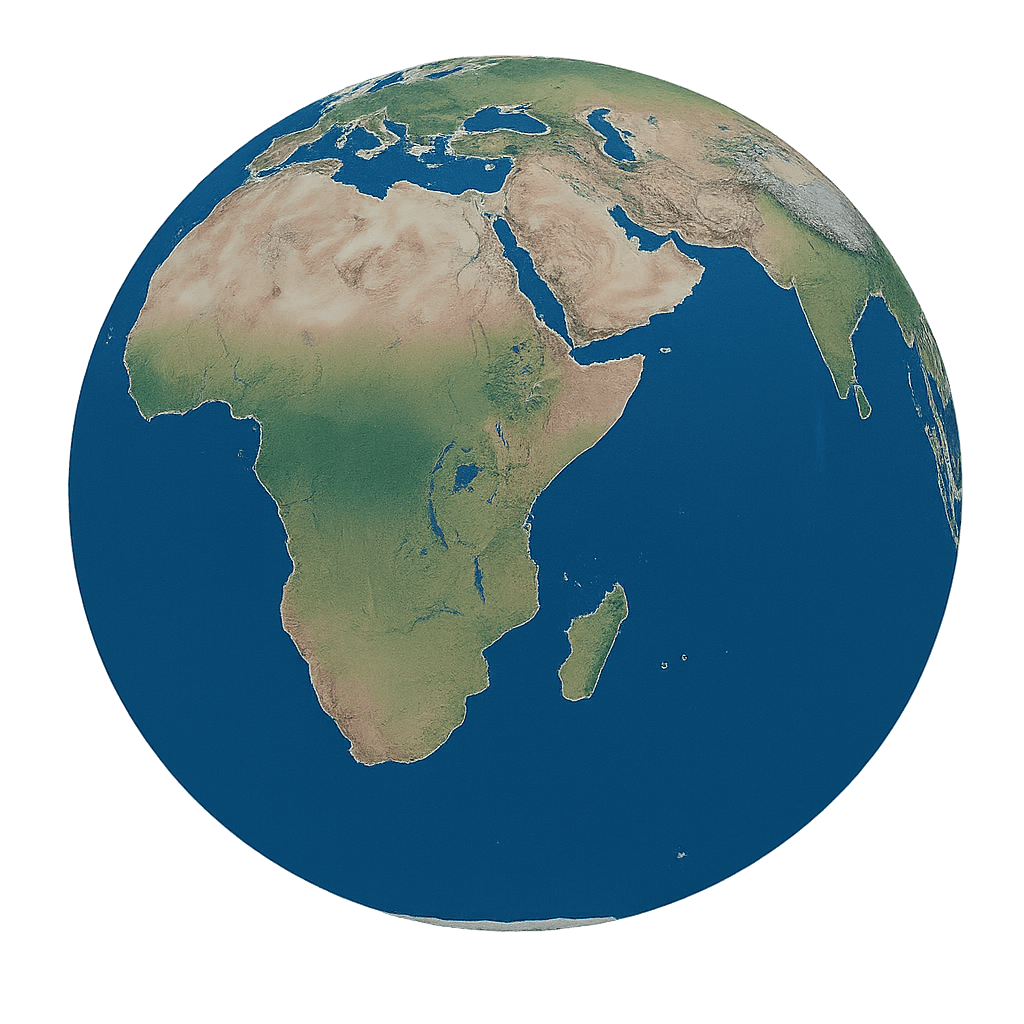
Ocean Health & Conservation: A new focus on sea turtle journeys across the Western Indian Ocean underlines a simple message: Seychelles and neighbours can protect nesting beaches, but migratory species need shared, cross-border action and financing. Climate & Health Risks: The South-West Indian Ocean Climate Outlook warns October 2026–March 2027 could bring multiple hazards—drought and water stress in the south, flooding and landslides in wetter areas, and island heat, heavy rain, marine impacts and cyclone risk—raising concerns for agriculture, food security, water safety, health, fisheries and ecosystems. Alcohol & Public Health: A WHO-based ranking puts Romania, Georgia and Latvia at the top for recorded alcohol intake, with Seychelles tied at 11.4 litres per person (15+), a reminder that alcohol harm prevention remains a health priority. Wellness Travel Trends: Indian Ocean resorts are shifting wellness from “spa days” to nature-led rituals and deeper body diagnostics, including full screening-style experiences. Local Relevance: Seychelles vice president visits Russia’s training ship Perekop, with medical services and cadet training highlighted during the port call.
AGP Executive Report
Your go-to archive of top headlines, summarized for quick and easy reading.
Note: AI summary from news headlines; neutral sources weighted more to help reduce bias in the result. Feedback is welcome. Please let us know if you have any comments or suggestions about the AGP Executive Report.
Regional Climate & Health Preparedness: The South-West Indian Ocean Climate Outlook Forum says October 2026–March 2027 could bring multiple hazards—drought and heat in the south, flooding and landslides in wetter areas, and island risks like extreme heat, heavy rain, marine impacts and tropical cyclones—highlighting knock-on effects for health, food security, water and fisheries. Coral Recovery & Marine Health: A Seychelles-linked coral restoration approach using sexual reproduction under the Assisted Recovery of Coral (ARC) programme is highlighted, with early results reporting settlement and growth of around 65,000 young corals. Debt Pressure on Public Services: UN leaders warn that debt repayments and high borrowing costs are draining money from hospitals, classrooms and climate protection, with calls for grants and faster access to finance rather than more loans. Seychelles–India Cultural Links: Seychelles and India mark 50 years of diplomatic ties with ongoing cultural exchange, including shared festivals and food influences. Medical Tourism Concerns: African countries raise issues for patients travelling for medical tourism to India—unclear costs, visa problems for follow-ups, and language barriers—while noting India’s continued appeal for affordability and clinical outcomes. Sports & Community (Health Angle): Kenya’s Starlets interim coaching changes and Zimbabwe’s Mighty Warriors build-up for Olympic qualifiers underscore the role of training and discipline in athlete wellbeing.
Wellness in the Indian Ocean: A National Geographic Traveller feature says Seychelles and neighbours are moving beyond “spa days” toward nature-led rituals and deeper diagnostics, from full-moon sound baths to body screening and reef-linked experiences. Ocean health & coral recovery: An IPS report highlights how marine conservation needs cross-border cooperation, while a separate coral-focused exhibition notes Seychelles’ Assisted Recovery of Coral (ARC) work using sexual reproduction to grow genetically diverse corals. Climate risks for health and food: The Seychelles Meteorological Agency hosted a South-West Indian Ocean outlook warning that El Niño-linked hazards could bring drought and water stress in the south, flooding and landslides in wetter areas, and knock-on effects for agriculture, health, fisheries and marine ecosystems. Alcohol use data: A WHO-based ranking puts Romania, Georgia and Latvia at the top for recorded alcohol intake, with Seychelles listed among countries following at 11.4 litres per person. Medical tourism concerns: A report on African medical travellers flags worries about unclear costs, visa follow-up delays and language barriers in India, even as India remains a leading destination for lower-cost care. Digital privacy warning: The Radaris case is cited as a reminder that ignoring data subject requests can escalate into serious legal action.
Wellness Trends in the Indian Ocean: A National Geographic Traveller feature says Seychelles and neighbours are moving beyond “spa days” toward nature-led wellness—full-moon rituals, ocean-tide practices, and deeper diagnostic-style experiences. Ocean Health & Cooperation: Another report highlights why marine conservation needs cross-border coordination and shared financing, since sea turtles and other species travel far beyond one country’s waters. Climate Hazards for Health: The South-West Indian Ocean Climate Outlook Forum warns that El Niño-linked conditions could bring drought, flooding, landslides, extreme heat, heavy rain, and marine impacts—threatening agriculture, water safety, health, and fisheries. Coral Recovery in Seychelles: A Seychelles-linked coral programme is spotlighted for using sexual reproduction to grow genetically diverse corals, with early results citing tens of thousands of young corals. Food Security Pressure: Analysis argues climate change is pushing food insecurity toward an existential risk for small island states, including Seychelles, even when regional cooperation exists. Seed & Planting Material Security: A Seychelles agriculture brief stresses the need for resilient systems to ensure quality imported seeds while conserving and multiplying locally important planting materials.

Data Privacy & Health Tech: A US court case warns businesses that mishandling data subject requests can escalate fast, with Radaris ordered to transfer key domains after failing to honour removal requests—an important reminder for health services and clinics handling patient data. Climate & Public Health: The South-West Indian Ocean climate outlook says October 2026–March 2027 may bring multiple hazards: drought and heat in the south, flooding and landslides in wetter areas, and major knock-on effects for agriculture, water, health, marine life and fisheries. Coral Restoration in Seychelles: A coral exhibition highlights the ARC programme’s approach using sexual reproduction to build genetically diverse corals, with early results citing settlement and growth of around 65,000 young corals in Seychelles. Alcohol & Risk: A WHO-based ranking places Seychelles among countries with high recorded alcohol consumption, underscoring ongoing prevention needs around alcohol-related health harms. Food Security Focus: Regional reporting flags how climate change is pushing food insecurity toward an existential threat for small island states like Seychelles, despite cooperation and funding.
Climate & Debt for Health: UN leaders from Africa, the Caribbean and the Indian Ocean warn that debt repayments and high borrowing costs are draining money from hospitals, schools and climate protection, with leaders saying poorer countries are being forced to borrow to recover from disasters they didn’t cause. Coral Reef Recovery in Seychelles: A new exhibition in Astana highlights coral science and notes Seychelles’ Nature Seychelles Assisted Recovery of Coral (ARC) programme, using sexual reproduction to grow genetically diverse corals, with early results citing settlement and growth of about 65,000 young corals. Health & Migration Policy (UK): The UK published which medical professions (doctors, dentists, nurses, midwives) may be exempt from English tests for the Health and Care Worker visa, and also listed countries whose nationals don’t need to prove English proficiency. Food Security & Seeds in Seychelles: A Seychelles agriculture piece stresses that reliable, healthy seed and planting material is key, and argues for a resilient system that protects imported seed quality while strengthening local conservation, multiplication and distribution. Global Health Risk (Alcohol): A WHO-based ranking reports Seychelles among countries with high recorded alcohol consumption per person, alongside others like Romania, Georgia and Latvia.
Public Safety: Passengers helped stop a flydubai pilot from deliberately crashing an Israel-bound plane, after one pilot stabbed the other mid-flight; the attacker was restrained and the aircraft made an emergency landing in Saudi Arabia, with 174 people on board. Digital Access: Uttar Pradesh’s Project GANGA says it has received 3,000 applications for Digital Service Providers since launch, with first networks rolling out under the GangaFiber brand—aimed at connecting up to 150,000 homes. Health & Inequality: A new WHO-based ranking puts Seychelles among countries with high recorded alcohol consumption (tied at 11.4 litres per person), alongside Romania, Georgia and Latvia—fuel for public health conversations on alcohol harm. Coral & Community Health: Nature Seychelles’ Assisted Recovery of Coral (ARC) programme is highlighted for producing genetically diverse young corals, with early results citing around 65,000 juveniles—supporting healthier reefs that underpin local livelihoods and food security. Climate Finance for Health: UN leaders warn debt repayments and high borrowing costs are draining budgets from hospitals and education, arguing climate-vulnerable nations are being pushed into loans instead of grants. Seychelles-India Links: Seychelles marks 50 years of cultural cooperation with India, including shared festivals and cuisine—an angle on wellbeing through community ties.
Adolescent Nutrition in Seychelles: New 2025 Global School-Based Student Health Survey findings show many Seychelles students (ages 11–17) are skipping lunch, leaning on take-away foods, and consuming high amounts of sugar—raising concerns for future diet-related health. Coral Recovery in the Seychelles: A coral-focused project described as part of the Assisted Recovery of Coral (ARC) programme uses sexual reproduction to grow genetically diverse young corals; early results reported settlement and growth of about 65,000 young corals. Medical Tourism Concerns: A report highlights challenges for African patients travelling to India for medical tourism, including unclear medical costs, visa issues for follow-up visits, and language barriers during care. Food Security & Climate Risk: Coverage argues climate change is pushing food insecurity toward an existential threat for small island states in the South West Indian Ocean, including Seychelles, yet the issue remains under-prioritised nationally. Health-Related Policy Signals: International discussions also stress how debt and borrowing costs can drain funding from health systems, while separate UK visa guidance lists exemptions from English tests for certain family and health-care routes.
Adolescent Nutrition in Seychelles: New 2025 Global School-Based Student Health Survey findings show many Seychelles teens are skipping lunch, leaning on take-away foods, and consuming high amounts of sugar, with the Ministry of Health and education partners using WHO-backed methods to track eating habits among ages 11–17. Alcohol Use Snapshot: A WHO-based ranking reports the highest recorded alcohol consumption per person is in Romania, Georgia and Latvia, with Seychelles listed among countries tied at 11.4 litres. Coral Recovery Work: A Seychelles-linked coral project highlighted in an Astana exhibition describes assisted recovery using sexual reproduction to grow genetically diverse young corals, with early results citing settlement and growth of about 65,000 juveniles. Cybersecurity & Health Tech Risk: Reports say North Korea-linked hackers may have stolen about $388m in crypto from Seychelles-based Bitget, underscoring risks for digital services used in health and finance. Regional Food Security Lens: A regional analysis warns climate change is pushing food insecurity toward an existential threat for small island states like Seychelles, yet says it remains under-prioritised in national plans.
Alcohol & Health: A WHO-based ranking updated this year shows Seychelles is among the world’s heavier-drinking countries, tied at about 11.4 litres of pure alcohol per person (age 15+), following leaders like Romania, Georgia and Latvia—an important reminder for local alcohol harm prevention. Adolescent Nutrition: Seychelles adolescents are facing growing dietary challenges, with new WHO-linked Global School-Based Student Health Survey findings pointing to lunch skipping, heavy reliance on take-away foods and high sugar intake among students aged 11–17. Coral Recovery (Health of the Ocean): A coral restoration effort tied to Seychelles’ Assisted Recovery of Coral (ARC) programme is highlighted, using sexual reproduction to grow genetically diverse young corals—supporting long-term reef health that underpins coastal livelihoods and wellbeing. Climate & Health Funding: UN leaders warn that debt repayments and high borrowing costs are draining money from health and education in developing countries, with climate-vulnerable nations calling for grants and faster access to disaster finance. Measles Warning: Bangladesh’s measles outbreak—driven by falling vaccination coverage and vaccine hesitancy—serves as a stark warning for countries where routine immunisation is slipping.
Adolescent Nutrition Watch: Seychelles’ 2025 Global School-Based Student Health Survey flags lunch skipping, heavy take-away food use, and high sugar intake among students aged 11–17, with local Ministries of Health and Education coordinating the WHO-backed survey. Coral Recovery in Focus: A Seychelles-linked coral project highlighted in an Astana exhibition says the Assisted Recovery of Coral (ARC) programme uses sexual reproduction to grow genetically diverse corals, with early results citing settlement and growth of about 65,000 young corals. Climate Debt Pressure: UN leaders from Africa, the Caribbean and Indian Ocean warn that debt repayments and high borrowing costs are draining budgets from hospitals, classrooms and climate protection, with calls for grants and faster access to disaster finance. Medical Tourism Concerns: An event involving Seychelles’ High Commissioner points to worries about medical tourism in India, including unclear costs, visa issues for follow-ups, and language barriers for patients. Food Security Risk: A regional analysis says climate change is pushing food insecurity toward an “existential threat” for small island states like Seychelles, yet the issue remains under-prioritised nationally. Health Workforce & Language Rules (UK): Separate UK updates list exemptions from English tests for family visas and Health and Care Worker visas, including specific medical professions and certain nationalities.
Adolescent Nutrition Alert: Seychelles’ 2025 Global School-Based Student Health Survey flags lunch skipping, heavy take-away food reliance, and high sugar intake among students aged 11–17, with local Ministries of Health and Education coordinating the WHO-backed survey. Climate & Food Security: A new look at the South West Indian Ocean warns climate change is pushing food insecurity toward an “existential threat” for small island states like Seychelles, even as the issue often stays low on national priorities. Coral Recovery in Focus: A Seychelles-linked coral project under the Assisted Recovery of Coral (ARC) programme uses sexual reproduction to boost genetic diversity, with early results citing settlement and growth of about 65,000 young corals. Medical Tourism Watch: Seychelles’ High Commissioner joined discussion on medical tourism concerns for African patients, including unclear costs, visa hassles for follow-ups, and language barriers during care. Health System Pressure via Debt: UN leaders say debt repayments and high borrowing costs are draining money from health services across developing countries, warning hospitals and classrooms are being squeezed by creditor demands.
Adolescent Nutrition Watch: Seychelles’ 2025 Global School-Based Student Health Survey flags lunch skipping, heavy take-away food reliance, and high sugar intake among students aged 11–17, with local ministries coordinating the WHO-backed survey. Coral Recovery in Focus: A new Astana exhibition highlights coral science connections, including Seychelles’ Assisted Recovery of Coral (ARC) programme, which uses sexual reproduction to boost genetic diversity and has recorded settlement and growth of about 65,000 young corals. Climate Debt Pressure: UN leaders warn that debt repayments and high borrowing costs are draining money from health, education, infrastructure and climate protection, with calls for grants and faster access to disaster finance. Medical Tourism & Costs: A report on medical tourism notes concerns raised by African countries, including unclear medical costs, visa issues for follow-ups, and language barriers—while Seychelles’ High Commissioner is reported attending related discussions. Food Security Risk: Analysis across the South West Indian Ocean says climate change is pushing food insecurity toward an existential threat for small island states like Seychelles, yet it remains under-prioritised nationally. Health Workforce Language Rules (UK): UK updates list English-test exemptions for family visas and Health and Care Worker visas, shaping eligibility for care workers and families.
Cybersecurity & Health Tech Risk: Chainalysis reports North Korea’s Lazarus Group likely stole about $388m in crypto from Seychelles-based Bitget, using mixers and cross-chain bridges to hide the trail—another reminder that digital security failures can disrupt services people rely on. Public Health & Youth Nutrition: Seychelles adolescents are facing growing dietary challenges, with new 2025 school survey findings pointing to lunch skipping, heavy take-away food use, and high sugar intake among ages 11–17. Global Health Funding Pressure: UN leaders warn that debt repayments and high borrowing costs are draining money from hospitals and healthcare across developing countries, with some nations now spending more on interest than on health or education. Regional Health & Food Security: A new regional look at the South West Indian Ocean says climate change is pushing food insecurity toward an existential threat for small island states like Seychelles. Measles Alert: Bangladesh reports a major measles outbreak with hundreds of suspected deaths, highlighting how falling vaccine coverage can quickly trigger crises.
Adolescent Nutrition in Focus: Seychelles’ 2025 Global School-Based Student Health Survey flags lunch skipping, heavy take-away reliance, and high sugar intake among 11–17-year-olds, with local health and education ministries coordinating the snapshot. Food Security & Climate Pressure: A regional look at the South West Indian Ocean warns climate change is pushing food insecurity toward an “existential threat” for small island states like Seychelles, despite ongoing cooperation and funding. Seed & Planting Material Security: Seychelles agriculture faces a practical challenge: most vegetable seeds are imported, so the priority is building a resilient system that protects the quality of imports while conserving and multiplying locally important planting materials. Ocean Protection Test: The High Seas Treaty’s entry into force is framed as a milestone—but the real test now is whether countries fund and implement protection, science capacity, and fair benefit-sharing. Medical Tourism Watch: A report highlights concerns from African patients visiting India for medical tourism, including unclear costs, visa issues for follow-ups, and language barriers. Community Health Through Sport: The Clean Shores Run in Roche Caiman promoted healthy, active lifestyles alongside coastal cleanup, with 34 participants completing a 5km course.
Adolescent Nutrition in Seychelles: A new 2025 Global School-Based Student Health Survey flags lunch skipping, heavy take-away reliance, and high sugar intake among students aged 11–17, with local coordination by the Ministry of Health and the education ministry. Food Security & Climate Pressure: A regional look at the South West Indian Ocean warns that climate change is pushing food insecurity toward an existential threat for small island states like Seychelles, even as the issue often fails to land as a national priority. Healthy Lifestyle & Coastal Action: The Clean Shores Run in Roche Caiman (19 Sept) drew 34 participants for a 5km course tied to International Coastal Cleanup Day, with Seychelles Sports Minister Kelsey Belle and the Russian ambassador taking part. Health Workforce Rules (UK): UK guidance lists which health and care professions may be exempt from an English test for the Health and Care Worker visa, and which countries’ nationals are exempt—useful for Seychellois applicants planning overseas work.
Adolescent Nutrition in Seychelles: A new 2025 Global School-Based Student Health Survey flags lunch skipping, heavy take-away food use, and high sugar intake among students aged 11–17, pointing to growing dietary challenges. Seed & Planting Security: Seychelles agriculture is urged to focus on a resilient system for quality imported seeds and locally important planting materials, since full local seed self-sufficiency isn’t yet practical. Measles Warning for the Region: Bangladesh reports a major measles outbreak, with hundreds of suspected deaths and falling vaccination coverage—an urgent reminder for countries where routine immunisation is slipping. Health Financing Focus in Africa: The UN Economic Commission for Africa convenes a health financing advisory group, stressing stronger health–finance coordination and more domestic funding to protect health systems. Healthy Lifestyle Event: Seychelles’ Clean Shores Run in Roche Caiman promoted physical activity and coastal clean-up, with sports minister Kelsey Belle among participants.
Adolescent Nutrition in Seychelles: A new 2025 Global School-Based Student Health Survey finds many Seychelles students aged 11–17 are skipping lunch, leaning on take-away foods, and consuming high sugar—prompting renewed calls for healthier school meals and nutrition education. Ocean Health Policy: The High Seas Treaty (BBNJ Agreement) entered into force on 17 January 2026, but writers warn the real test is whether countries fund and build the institutions needed to protect marine life beyond national waters. Health Workforce Migration (UK): The UK says four health professions—doctors, dentists, nurses and midwives—may be exempt from an English test if they’ve already passed an approved assessment; it also published a list of 17 countries whose citizens are exempt. Measles Warning (Bangladesh): Bangladesh reports a major measles outbreak with hundreds of suspected deaths, highlighting how vaccine gaps and hesitancy can quickly trigger crises. Health Financing (Africa): ECA launched a High-Level Advisory Group on health financing, urging stronger coordination between health and finance ministries and more domestic funding for African health systems. Community Fitness & Clean Coasts (Seychelles): The Clean Shores Run in Roche Caiman drew 34 participants for a 5km race tied to International Coastal Cleanup Day, linking active living with environmental awareness.
High Seas Treaty: A new commentary marks the High Seas Treaty (BBNJ) entering into force on 17 January 2026, stressing that a deal on paper won’t protect depleted marine life unless countries fund enforcement, build scientific capacity and share ocean benefits fairly. Adolescent Nutrition in Seychelles: Seychelles’ 2025 Global School-Based Student Health Survey flags growing dietary pressures for ages 11–17, including lunch skipping, heavy take-away reliance and high sugar intake, with local ministries and WHO partners involved in the monitoring. UK Health Visa English Rules: The UK says four health professions—doctors, dentists, nurses and midwives—may be exempt from the English test for the Health and Care Worker visa if they’ve already passed an approved assessment through their regulated body. UK Visa Exemption Countries: The UK also published 17 countries/territories whose nationals don’t need to prove English for the same visa, with most African countries not included. Health Financing Focus (Africa): The UN Economic Commission for Africa convened a high-level advisory group on health financing, pushing stronger coordination between health and finance ministries and more domestic funding for African health systems.
Adolescent Nutrition in Seychelles: New 2025 Global School-Based Student Health Survey findings point to lunch skipping, heavier reliance on take-away foods, and high sugar intake among Seychelles students aged 11–17, with local Ministries of Health and Education coordinating the snapshot. Traditional Medicine Research Push: WHO is calling for more research into traditional and complementary medicine, noting major global funding gaps and urging countries to build safer, more effective options as non-communicable diseases rise. Health Financing for Africa: The UN Economic Commission for Africa convened a High-Level Advisory Group on health financing, stressing stronger coordination between health and finance ministries and more sustainable domestic funding as aid and fiscal space tighten. Community Health & Activity: Seychelles’ Clean Shores Run in Roche Caiman drew 34 participants for a 5km course, promoting healthy living alongside International Coastal Cleanup Day. Global Measles Warning: Bangladesh reports nearly 900 suspected measles deaths, underscoring how quickly outbreaks surge when vaccination coverage slips.
Sign up for:
Seychelles Health News
The daily local news briefing you can trust. Every day. Subscribe now.
Check Your Email!
We sent a one-time activation link to: .
Confirm it's you by clicking the email link.
If the email is not in your inbox, check spam or try again.
Welcome back!
is already signed up. Check your inbox for updates.